Every January, the NFL playoffs provide more than entertainment. They offer a clear snapshot of what actually works at the highest level of the sport.
For Las Vegas Raiders fans, watching postseason football without a stake in the bracket can feel bittersweet, but it also brings clarity. The playoffs strip the league down to its essentials, no excuses, no hiding flaws, no shortcuts.
As the Raiders look ahead to next season, the current postseason has quietly reinforced familiar truths about building a sustainable contender.
These lessons are not abstract theories or analytics trends. They show up on every snap, in every tight fourth quarter, and in every season that ends with confetti falling. For a franchise in transition, January football still has plenty to teach.
NFL Playoff Teams Win Games by Controlling the Trenches
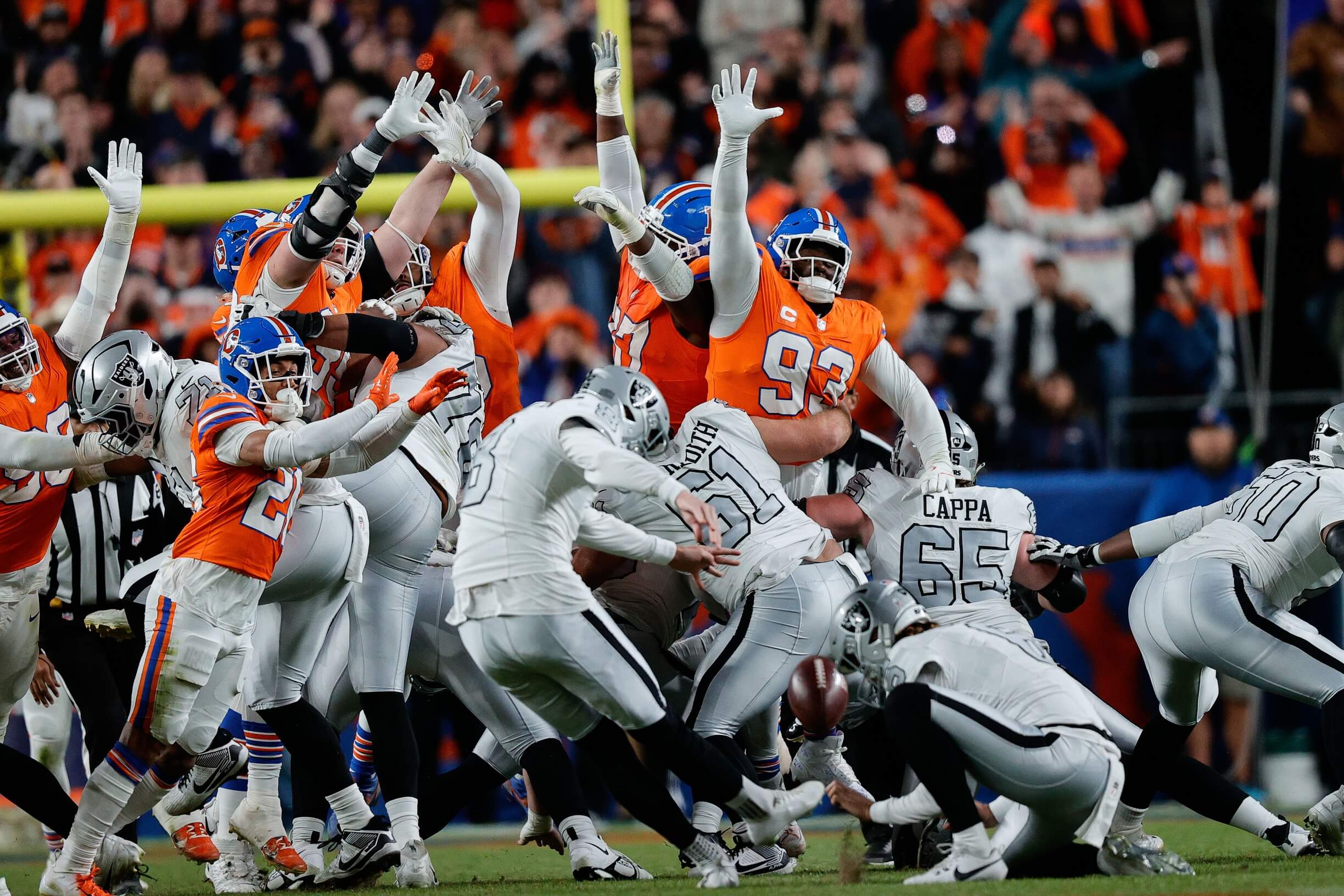
The playoffs once again made something unmistakably clear: games are decided up front. Teams that advance consistently win the battle along the offensive and defensive lines, especially when margins are thin.
Houston and Seattle offered textbook examples. Houston’s defensive front creates pressure without relying on constant blitzing, allowing the secondary to stay disciplined. Seattle’s offensive line holds up in critical moments, keeping the offense on schedule even when defenses know what is coming. Those advantages compound over four quarters.
For the Raiders, the message is direct. The offensive line struggled in 2025, and playoff football exposed how difficult it is to survive January without protection and push. Defensively, Maxx Crosby remains one of the league’s most disruptive edge rushers, but postseason teams rarely rely on a single star.
The blueprint points toward:
- Investing real resources into offensive line stability,
- Adding complementary pass rushers to ease the load on Crosby,
- Prioritizing scheme fit and physicality over splash additions.
Playoff teams rarely win pretty. They win by making life uncomfortable at the line of scrimmage. That physical edge often becomes the difference when games tighten late and possessions grow more valuable.
Efficient, Clutch Quarterback Play Is Non-Negotiable
The postseason rarely rewards reckless quarterback play. Big arms and highlight throws matter less than composure, decision-making, and timing.
This year’s playoff field showcases multiple paths to success. Drake Maye controls games with poise and precision. Bo Nix succeeds by avoiding mistakes and delivering when moments demand it. Even quarterbacks with turnover-prone regular seasons tightened their play once elimination loomed.
That context matters for Raiders fans following the broader postseason landscape, whether through film, broadcasts, or resources like FanDuel NFL playoff odds, which help frame how quarterback play shapes matchups and expectations across January football.
For Las Vegas, the takeaway is straightforward. With the No. 1 pick in the 2026 NFL Draft, solving the quarterback position sits at the center of everything else. The playoffs reinforced that the ideal solution does not require chasing volume stats. It requires:
- Consistent decision-making under pressure,
- Command of situational football,
- Trust that mistakes will not snowball.
Whatever direction the Raiders choose, playoff football confirms that stability at quarterback unlocks the rest of the roster, allowing coaching decisions, game plans, and player development to function with consistency rather than urgency.
Balanced Rosters Outperform Star-Driven Teams
January football punishes imbalance. Teams built around one dominant unit often find themselves exposed when opponents force them into unfamiliar game scripts.
The strongest playoff teams won in multiple ways. Some lean on defense. Others control tempo. Several rely on special teams to flip field position. Houston pairs a physical defense with an efficient offense. Seattle complements defensive consistency with reliable execution in the margins.
That versatility is especially relevant for the Raiders, who enter the offseason with nearly $75 million in effective cap space. The playoffs suggest that spreading resources wisely creates flexibility rather than fragility.
Instead of chasing luxury skill players, the Raiders’ opportunity lies in:
- Strengthening the offensive line,
- Building depth in the secondary,
- Supporting the defensive front beyond one marquee name.
Balanced teams rarely dominate headlines, but they survive January. Their flexibility allows them to adjust when opponents take away a primary strength.
Coaching Stability and Clear Identity Fuel Success
The playoffs reward organizations that know exactly who they are. Teams like the Rams, Seahawks, and Broncos operate with clarity because their coaching staffs have had time to build identity, language, and trust.
Continuity shows up in small ways, clean substitutions, confident play-calling, and calm responses to adversity. Those details separate contenders from pretenders once the postseason pressure mounts.
For the Raiders, this lesson feels especially relevant. Recent coaching turnover has made long-term cohesion difficult. Aligning the next head coach with General Manager John Spytek’s vision may be the most important step of the rebuild.
As fans track how playoff teams transition toward the offseason and monitor upcoming NFL games and props, the value of stability becomes increasingly obvious. The teams still playing in January rarely reset every two years. They refine.
Mental Toughness, Adaptability, and Winning the Margins
Playoff football exposes everything. Missed assignments, mental lapses, and special teams mistakes become season-ending moments. The teams that advance consistently handle chaos better than their opponents.
Mental toughness shows up late, when fatigue sets in, and adjustments matter. Adaptability appears when the original game plan fails, and players respond without panic. Discipline reveals itself in penalties avoided rather than penalties committed.
For the Raiders, cultivating that resilience starts with preparation and culture. Coaching stability supports it. Roster balance reinforces it. Trench play enables it. None of those elements operate in isolation, and January football proves that every edge matters.
Carrying the Playoff Blueprint Into the Raiders’ Next Chapter
The NFL playoffs don’t offer shortcuts. They reward teams built patiently, coached consistently, and prepared thoroughly. While the Raiders were not part of this year’s postseason, the lessons remain available.
Strong lines, steady quarterback play, balanced rosters, and leadership continuity form the foundation of sustainable success. Those traits show up every January, regardless of which teams are involved.
For Raiders fans, watching the playoffs is not about envy. It is about recognition. The path back is clear. The challenge now lies in committing to it and allowing time for the blueprint to take hold in silver and black.
The post Lessons From the NFL Playoffs the Raiders Can Carry Into 2026 appeared first on Raiders Newswire.